2009 március 30 8:32 de.
Gordon Bajnai, the Socialist government’s development minister, was nominated to replace outgoing Prime Minister Ferenc Gyurcsány in the early hours of the morning, following desperate, marathon meetings within the Hungarian Socialist Party (MSZP) and the liberal Alliance of Free Democrats (SZDSZ). Assuming that Bajnai’s supporters are able to muster a thin majority in parliament next week, the 41 year old development minister will take over the Hungarian government on April 14, 2009. Yet Bajnai will face major political obstables as prime minister, above and beyond the severe economic crisis which brought Hungary to the brink of bankruptcy. Gordon Bajnai comes […]
Read more ›
2009 március 28 12:07 du.
Tegnap még Takács János Electrolux vezérigazgató, ma reggel pedig Gráf József jöhetett számításba mint szocialista kormányfő-jelölt. Kelet-kanadai időszámítás szérint déltől azonban Bajnai Gordon fejlesztési miniszter a szocialista politikai casting legújabb szereplője. A többnyire kormánypártinak tartott ATV információi szerint az MSZP elnöksége a párt megyei elnökeinek most éppen Bajnai-t ajánlotta fel. Az Index.hu úgy tudja, hogy Oszkó Péter, a Deloitte nevű multinacionális cég magyarországi vezérigazgatója lenne Bajnai pénzügyminisztere . De ennek a potenciális jelölésnek is van szépséghibája, úgy mint az összes többinek is volt. Oszkó ugyanis a HVG című hetilapnak jelentette ki, hogy a közeljövőben nem szeretne politikai szerepet vállalni. „Manapság […]
Read more ›
7:57 de.
Gráf József, a szocialista kormány népszerű agrárminisztere pont egy hete jelentette be újságírói kérdésre, hogy ő nem vállalná el Magyarország miniszterelnökségét, hiszen a mostani gazdasági helyzetben szakértőre van szükség. Ma viszont éppen Gyurcsány Ferenc leköszönő miniszterelnök dobta be Gráf nevét az MSZP elnökségi ülésén, anélkül hogy először megkereste volna az érintett agrárminisztert. Gráf a jobboldali HírTV-nek nyilatkozott és elmondta: tőle nem kérdezték, hogy elvállalná a válságkormány vezetését. „Teljesen meglepi az, hogy lehetséges pártvezetőként is szóba került a neve, hiszen a legutóbbi tisztújításon már nem indult el elnökségi helyért sem, hogy jobban az agráriumra, miniszteri munkájára tudjon koncentrálni”– írta a HírTV. […]
Read more ›
2009 március 27 9:20 de.
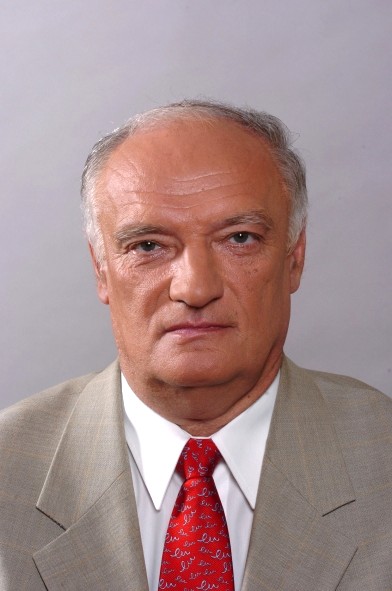
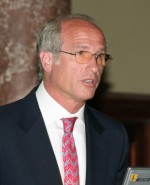
Lassan egy hete tart a magyar miniszterelnök jelölés körüli szappanopera és csaknem egy tucat kormányfő-jelölt neve merült fel az utóbbi napokban. Azonban a jelölések általában csak néhány óráig tartottak: vagy az MSZP, vagy az SZDSZ hamar meg is torpedózta a lehetséges kormányfőket. Egészen szoktatlan, vicces és balhés a Gyurcsány Ferenc szocialista kormányfő lemondása után bekövetkezett eseménysorozat, hiszen a teljes nyilvánosság zajlik az MSZP és SZDSZ közti vita és kormányfő-keresés, illetve az egymás után bedobott jelöltek elutasítása. Segítséget nyújtunk azoknak a kanadai olvasóknak akik már nem tudják követni a neveket, jelöléseket és elutasításokat. Surányi György: A Magyar Nemzeti Bank egykori elnöke. […]
Read more ›
2009 március 26 9:42 de.
Surányi György, a Magyar Nemzeti Bank egykori elnöke ma hivatalosan is kijelentette: nem lesz Gyurcsány Ferenc leköszönő szocialista miniszterelnök utódja. Surányi ahhoz a feltételhez kötötte a kormányfői poszt elvállalását, hogy a Fidesz-KDNP pártszövetség legalább hallgatólagos támogatása biztosítva legyen. „Új választás nélkül, új keretek között a pártokhoz nem szorosan kötődő, noha tőlük nem szükségképpen egyenlő távolságra lévő válságkezelő kormány akkor lehet működőképes, ha bírja a parlamenti pártok eltérő hőfokú, de világos támogatását”–nyilatkozta Surányi. Azóta világossá vált, hogy a Fidesz kizárólag az előrehozott választásokat támogatja, melyet szerinte a 2009 június 7-re kiírt Európai Parlamenti szavazással együtt kéne megtartani. Ez a hozzáállás pártpolitikai […]
Read more ›
2009 március 24 1:42 du.
The Hungarian Committee of Montréal and the Embassy of the Republic of Hungary in Ottawa have partnered to organize a historical exhibit at the Place des Arts, with the aim of showcasing some of the most famous embroderies from Hungary, as well as the history of Québec’s Hungarian community. Needlepoint Halas lace is celebrating its 100th anniversary, while the first Hungarians also settled in Montréal a century ago. Hungarian Ambassador Pál Vastagh will open the vernissage, scheduled for 5 April 2009 at 5:00pm with an introductory speech and he will be followed by Andor Csukly, president of the Hungarian Committee of […]
Read more ›
2009 március 23 4:12 du.
Greg Gutfeld, az amerikai Fox News egyik műsorvezetője visszavonta a legutóbbi műsorán elhangzott mondatait, melyben kigúnyolta a kanadai hadsereget és Kanada megszállásáról viccelődött. Gutfield és a műsorvezető vendégei Andrew Leslie kanadai főparancsnok szavaira reagáltak, aki azt mondta, hogy szerinte a kanadai haderő tartson egy 12 hónapos szünetett 2011-ben, amiután kivonulnak a csapatok Afganisztánból és ne vállaljon egyéb külföldi missziót ebben az időszakban. „A kanadai hadsereg szünetet akartnak tartani, hogy a katonák jógázhassanak, tájakat fessenek és gyönyörű rövidnadrágban szaladhassanak a tengerparton”–mondta Gutfield. „Ez lenne talán a legjobb alkalom, hogy megszálljuk ezt a nevetséges kis országot”–folytatta az amerikai műsorvezető. Peter MacKay, Kanada hadügyminisztere […]
Read more ›
2009 március 22 2:25 du.
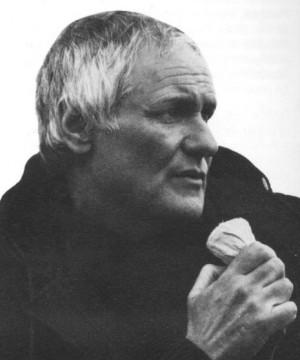
Pacific Cinémathèque is preparing to present a four-film retrospective on Miklós Jancsó, among the great directors of 1960s European cinema. One of the masters of widescreen composition and elaborately choreographed long-take sequence shots, Jancsó’s fervid, transfixing, highly stylized and intensely formalist films are noted for their balletic, brutal study of repression, rebellion and revolution. Power and politics are destructive forces in Jancsó’s singular cinema, which is highly allegorical and can approach abstraction in its use of ritual, spectacle, massive scale and geometrical patterning to depict human events. His dramas explore, obsessively, turbulent events of Hungary’s past history; the historical settings […]
Read more ›
2009 március 21 11:52 de.
Ferenc Gyurcsány, Hungary’s longest serving prime minister since the country’s transition to democracy twenty years ago, suprised even the most avid political analysts by announcing his imminent resignation. Gyurcsány spoke at the Hungarian Socialist Party’s congress, where he recommended that the left-centre party form a new government, headed by a new prime minister. „I misjudged our strength and the opportunities before us and I did not offer a clear and straightforward speech at a critical moment. As such, my credibility decreased significantly”–Gyurcsány told party delegates. Gyurcsány will call for a vote of confidence in parliament this coming week, which he […]
Read more ›
2009 március 20 3:37 du.
Ünnepi vásárt tart a montreáli Első Magyar Református Egyház égisze alatt működő Református Férfi Kör, valamint a Bethlen Kata Nőegylet. A férfi kör 2009 április 1-én hurka-kolbászt árul a templomban, de a rendelést március 22-ig le kell adni. A nőegylet pedig sütemény-vásárt tart Húsvét alkalmából 2009 április 4-én, reggel 10-től délután 3 óráig. Azok akik esetleg a vásárlás közben megéheznének, résztvehetnek a nőegylet által rendezett mini-ebéden is. Az egyházközség az 50 Graham Boulevard alatt található, a Town of Mount-Royal-ban. Magyar Istentiszteletre vasárnaponként 11-órakor kerül sor. További információért, tekintsék meg az alábbi tájékoztatót. Kanadai Magyar Hírlap
Read more ›
2009 március 17 8:59 du.
Nem mindennap hivatkoznak kanadai politikai vagy történelmi eseményekre a magyarországi televízióban, de pont ez történt hétfő este az ATV Újságíróklub című műsorában. Avar János, a Vasárnapi Újság főszerkesztője és a Dési János-vezette Sajtóklub szereplője Charles de Gaulle kanadai útjával és botrányos montreáli beszédével példázott amikor éppen Sólyom László köztársasági elnök kalandos romániai útjára került a szó. Mint ismeretes: Sólyom a március 15-ei ünnepek keretébe akart Erdélybe repülni, hogy az erdélyi magyaroknak mondjon beszédet. A köztársasági elnöknek azonban változtatni kellet úti tervén, hiszen a román hatóságok bejelentették, hogy nem járulnak hozzá az elnöki repülő leszállásához. Ezért Sólyom autóval lépte át a magyar-román […]
Read more ›
2009 március 16 9:08 de.
Kanada-EU: a gazdasági megállapodás felé Kanada kereskedelmi minisztere Stockwell Day bejelentette, hogy országa és az Európai Unió meghatározták azokat a területeket, amelyeket tárgyalni kívánnak egy jövőbeli, átfogó gazdasági megállapodás létrehozása érdekében. A március 5-én elfogadott közös jelentésben felsorolt területek kiterjednek az áruk és szolgáltatások forgalmára, a befektetésekre, valamint a kereskedelmet hátráltató technikai akadályok lebontására. A miniszter szerint lehetőség van az átfogó tárgyalások mielőbbi megkezdésére. Az Európai Unió Kanada második legfontosabb kereskedelmi partnere. A megkötendő egyezmény akár 12 milliárd dolláros növekedést is hozhat a kanadai gazdaságnak, a kétoldalú kereskedelmet pedig mintegy 20%-kal lendítheti fel. NATO találkozó Brüsszelben A március 5-i megbeszélésen […]
Read more ›
2009 március 14 7:57 de.
Magyar nyári tábort szerveznek idén a Magyarok Nagyasszonya Egyházközség melletti Ifjúsági Otthonban, mely szeretettel fogadja az 5 éven felüli gyerekeket. A kéthetes napközi tábor időpontja a szülők igényeinek figyelembe vételével lesz kiválasztva. Ennek a tábornak nem a pénzgyűjtés a célja (non-profit) hanem, hogy egy kicsit jobban összefogja fiataljainkat, segítsen újabb barátságok megkötésében és lehetőségük legyen a gyerekeknek a nyár folyamán is tovább gyakorolni és elmélyíteni a magyar tudásukat. A tábor díjt a visszajelzések után tudják pontosan meghatározni a szervezők. A napi program korosztályonként változhat: népijátékok, sok mozgás, benti és kinti foglalkozások. Minden nap 3x étkezést fognak bíztosítani a szervezők (tízórai, […]
Read more ›
2009 március 10 1:44 du.
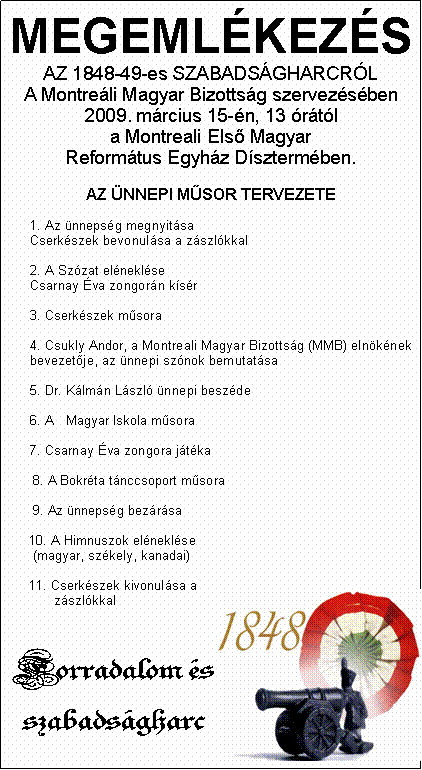
2009 március 15-én, délután 1 órától kerül megrendezésre a Montreáli Magyar Bizottság megemlékezése at 1848-as magyar forradalomról és szabadságharcról. Idén a Montreáli Első Magyar Református Egyházközség termében szervezik a megemlékezést és a szónok dr. Kálmán László. A hagyományokhoz híven, idén is kulturális program követi az ünnepi beszédet. Ennek keretében fellép a Montreáli Magyar Iskola, a Bokréta Népitánc-csoport, a Cserkészet és Csarnay Éva. A program végén eléneklik a magyar, kanadai és székely himnuszokat. Bár a Montreáli Magyar Bizottság programja délután 1 órakor veszi kezdetét, az egyházközség déli 12-tól debrecenit és üdítőket ajánl a jelenlévőknek. Itt közöljük a rendezvényre szóló hivatalos meghívót. Kanadai Magyar Hírlap
Read more ›
2009 március 9 1:37 du.
Marc Diab, a Royal Canadian Dragoons nevet viselő egység tagja lett az Afganisztánban folyó haború legújabb kanadai áldozata. Diab-t és a vele lévő négy kanadai katonát a Kandahartól északra fekvő Shah Wali Kot körzetben támadták meg Talibán harcosok. Diab lett a háború 112-ik kanadai katonai áldozata. Ezen kivül egy kanadai diplomata és segélymunkás is meghalt a 2002 óta tartó misszió során. Diab családja 2000-ben emigrált Kanadába Lebanonból és így nem idegen számukra a háború. Jihan Diab, Marc édesanyja elmondta, hogy fia egy „hős,” de azt is kérte, hogy hozzák haza a többi katonát Kanadába. „Mindenki a fiam aki a hadseregben szolgál és […]
Read more ›